

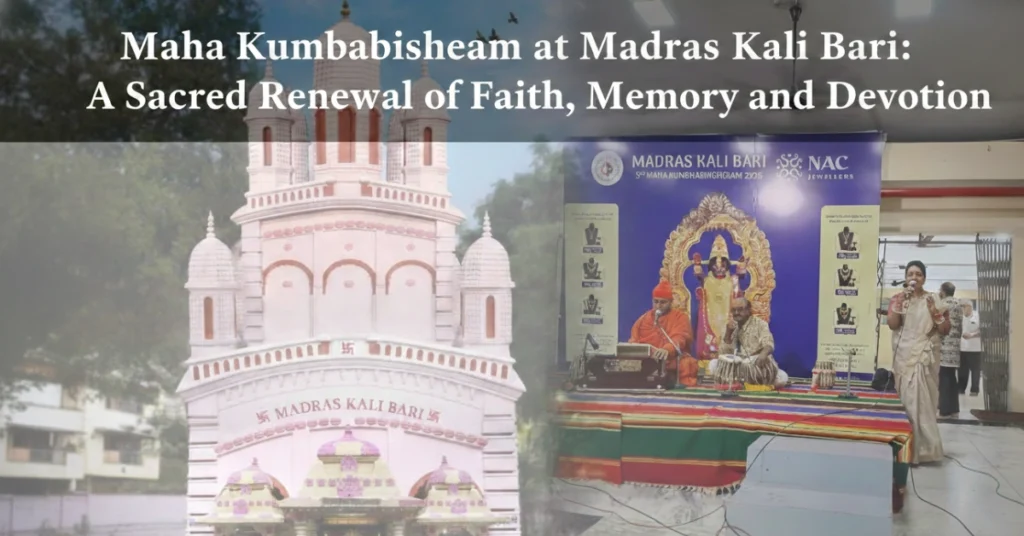
Maha Kumbabishekam is a grand Hindu temple consecration ritual that renews the spiritual energy of both the presiding deity and the temple itself. Conducted once every twelve years, this sacred ceremony is believed to realign the temple with cosmic and celestial forces, ensuring spiritual balance, prosperity, and collective well-being. More than a ritual, it is a profound act of renewal—of faith, devotion, and divine presence.
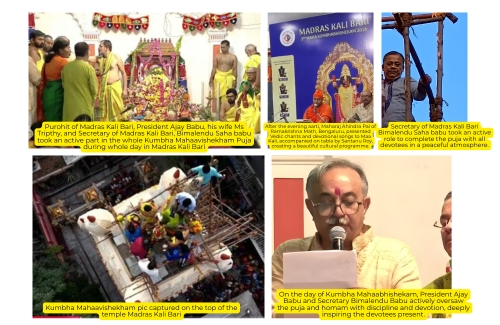
The ceremony unfolds through a carefully structured sequence of elaborate rituals. It begins with preparatory poojas and fire rituals, known as yagasala poojas, which purify the space and invoke divine energies. This is followed by Kalasa Sthapana, where sacred pots filled with sanctified water, herbs, and powerful mantras are ceremonially installed. The deities are then adorned through alankaram and worshipped with deep reverence. The ritual culminates in the Maha Kumbabishekam itself—the pouring of sanctified water over the temple towers and the main deity—symbolising the recharging of divine energy, the removal of negative influences, and the alignment of the temple with celestial forces.
The primary purpose of Maha Kumbabishekam is to renew the temple’s spiritual vibration, ensure peace and prosperity for devotees, and reinforce the sacred bond between the divine and the community it serves.
On February 6, 2026, this sacred ritual was held at the revered Madras Kali Bari in West Mambalam, Chennai, beginning at 6:30 a.m. Dedicated to Goddess Kali, the temple stands as a spiritual and cultural anchor for the Bengali community in the city. Built in the architectural style of the famed Dakshineshwar Kali Temple in Kolkata, Madras Kali Bari carries within its walls the essence of Bengal—its devotion, rituals, and spiritual fervour.
Paramita Roy, an alumna of Calcutta University with a First Class Honours degree in Tourism and Travel Management, says, “Tourist attraction is extremely important for any state, especially when it comes to pilgrimage tourism. Madras Kali Bari plays a vital role in this respect. Pilgrim tourists often stay in the temple’s guest houses, experience authentic Bengali food, and immerse themselves in the devotion of Maa Kali through daily puja and rituals. In a nutshell, Madras Kali Bari attracts a large number of tourists—not only Bengalis, but also non-Tamil visitors—who come here driven by faith and spiritual connection.”
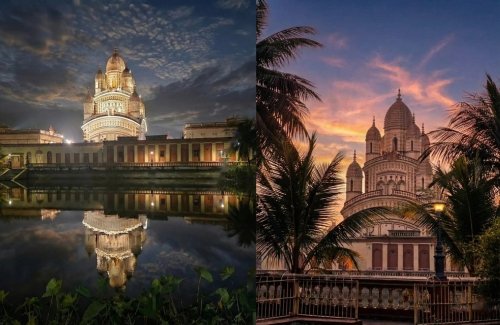
For me, this temple resonates far beyond its physical presence. From my childhood days, devotion to Maa Kali has been deeply woven into my life. I used to visit the Dakshineshwar Maa Kali Temple with my father—sometimes accompanied by my mother, my masi, and my maima. It was a place I loved deeply, where I spent long hours within its peaceful atmosphere. Situated beside the flowing Ganga, the surroundings of Dakshineshwar Maa Kali Temple are serene and spiritually charged—so beautiful that words fall short of capturing its essence.
Standing inside Madras Kali Bari today, amidst the familiar chants, aarti, and puja style, I was rendered speechless. In Chennai, far from Bengal, the temple recreates that same spiritual ambience—one that feels unmistakably like home. The Bengali style of worship and devotion to Maa Kali evoke memories that are both personal and ancestral.
The aarti, puja, and homam at Madras Kali Bari are beyond verbal expression. The devotion of the priests—particularly the purohits who perform daily aarti before Maa Kali—imbues the temple with intense spiritual energy. This daily ritual draws countless devotees and pilgrim tourists, offering them solace, faith, and a sense of belonging under the sacred shade of the temple.
Madras Kali Bari is sustained by a dedicated committee that serves devotees with humility and care. Many pilgrims, including patients seeking comfort and healing, stay within the temple premises, finding peace through daily puja. The temple also offers a safe and nurturing space for elderly devotees, especially Bengalis.
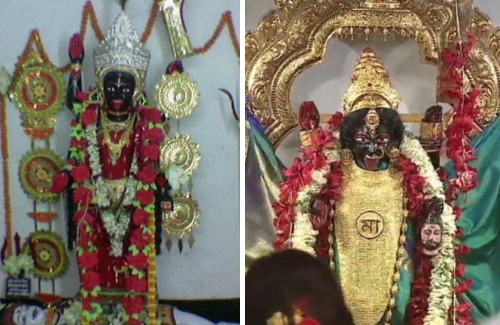
Though Chennai and South India are rich with temples, Madras Kali Bari holds a distinctive place. The Bengali-style idol of Maa Kali draws large gatherings, especially on Amavasya, Maha Kumbabishekam, Kali Puja, and Satya Narayana Puja. Devotees from across Chennai and Tamil Nadu—Bengalis, Tamils, and non-Tamils alike—are drawn by its inclusive spiritual atmosphere.
Also Read: Kannada Hanuman Jayanti: A Divine Festival of Strength and Devotion
Under the guidance of its leadership and committee, Madras Kali Bari stands today as a beacon of spiritual continuity, cultural belonging, and compassionate service.
The Maha Kumbabishekam was not merely a ritual I witnessed—it was an awakening of memory, devotion, and lineage. In the sanctified waters poured upon Maa Kali, faith was renewed. And in that sacred moment, I felt closer to my roots, my father, and the eternal presence of the Divine Mother.