


Hydration is influenced not only by the amount of water you drink but also by the foods you eat and the balance of electrolytes in your body. Dehydration can impair mood and concentration, slow cognitive function, and reduce physical performance. However, many everyday foods such as fruits, vegetables, yogurt, and soups contribute significantly to fluid intake, often without us realising it. Understanding the effects of dehydration on the body and brain, the role of electrolytes, and the benefits of moisture-rich foods can help you stay properly hydrated throughout the day, particularly during hot weather or busy periods when water alone may not be enough.
Adequate hydration supports healthy skin, strengthens the immune system, and promotes mental clarity. It also assists the body’s natural detoxification processes by facilitating efficient digestion and waste elimination. Furthermore, maintaining proper hydration levels can improve energy, reduce fatigue, and lower the risk of health issues such as urinary tract infections (UTIs) and kidney stones. Simply ensuring that you consume enough fluids each day is one of the easiest and most effective ways to support overall physical and mental well-being.
According to general health guidelines, men should consume approximately 3.7 litres (125 ounces) of fluids per day, while women should aim for around 2.7 litres (91 ounces).
These totals include fluids obtained from both beverages and food. Individual requirements may increase during periods of intense physical activity, hot weather, fever, or illness. Consuming water-rich fruits and vegetables such as watermelon, strawberries, oranges, and cucumbers can also contribute significantly to daily hydration needs.
Many people assume that staying hydrated begins and ends with drinking water. In reality, the human body is designed to obtain moisture from a variety of sources, including foods and beverages. Since water accounts for more than half of the body’s weight, even mild dehydration can affect concentration, muscle performance, circulation, and the body’s ability to regulate temperature. While water remains essential, hydration depends on more than water alone. Fluids from food, combined with electrolytes such as sodium, potassium, and magnesium, help ensure that water is absorbed effectively by the body’s cells rather than simply passing through the system. This relationship highlights why both consistent fluid intake and a hydration-focused diet are important.
Research suggests that cognitive performance can begin to decline when the body loses as little as 1–2% of its total water content. Dehydration reduces blood volume, which can affect oxygen delivery to the brain. As a result, individuals may experience fatigue, irritability, slower reaction times, and difficulty concentrating. Studies have also linked dehydration to reduced memory, impaired decision-making, and diminished problem-solving abilities. Physically, inadequate hydration can affect muscle function, increasing the likelihood of cramps and reduced endurance. The body’s ability to regulate temperature is also compromised, making overheating more likely during physical exertion. Over time, chronic low-level dehydration may place additional strain on the kidneys and negatively affect digestive health.
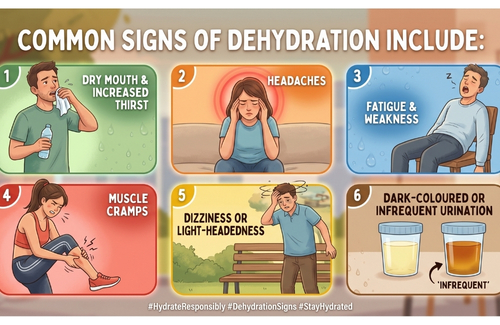
Common signs of dehydration include:
- Dry mouth and increased thirst
- Headaches
- Fatigue and weakness
- Muscle cramps
- Dizziness or light-headedness
- Dark-coloured or infrequent urination
In contrast, pale yellow or clear urine is generally considered a sign of adequate hydration.
Although plain water remains the gold standard for hydration, other beverages can also help maintain healthy fluid levels. Milk, herbal teas, and natural fruit or vegetable juices provide hydration while supplying additional nutrients. Milk, in particular, contains electrolytes and essential minerals that support fluid retention and recovery.
Electrolytes—including sodium, potassium, calcium, and magnesium—act as the body’s microscopic electrical conductors. They regulate fluid balance, nerve function, and muscle contractions. When dehydration occurs, the body often loses electrolytes along with water. Drinking plain water may temporarily relieve thirst, but without sufficient electrolytes, the body may struggle to absorb and retain fluids efficiently. This is why electrolyte-rich beverages, coconut water, and oral rehydration solutions can be especially beneficial after intense exercise, illness, or prolonged exposure to heat.
Also Read: Healthy Snacks for a Working Woman: Nutritional Advice
Another effective way to stay hydrated is by incorporating water-rich foods into your diet. Fruits and vegetables containing more than 80% water can make a substantial contribution to daily fluid intake. Excellent choices include:
- Cucumbers and iceberg lettuce (approximately 96% water)
- Celery, tomatoes, and romaine lettuce
- Watermelon, strawberries, oranges, and cantaloupe
- Bell peppers, zucchini, spinach, and kale
In addition to supporting hydration, these foods provide fibre, vitamins, minerals, and antioxidants that contribute to overall health and well-being.
Ultimately, hydration is about much more than simply drinking water. By understanding the role of electrolytes and recognising how dehydration affects mood, physical performance, and cognitive function, you can take a more holistic approach to maintaining fluid balance. Building meals around water-rich foods, choosing beverages that support electrolyte balance, and paying attention to your body’s signals can make hydration easier, more sustainable, and far more effective.