

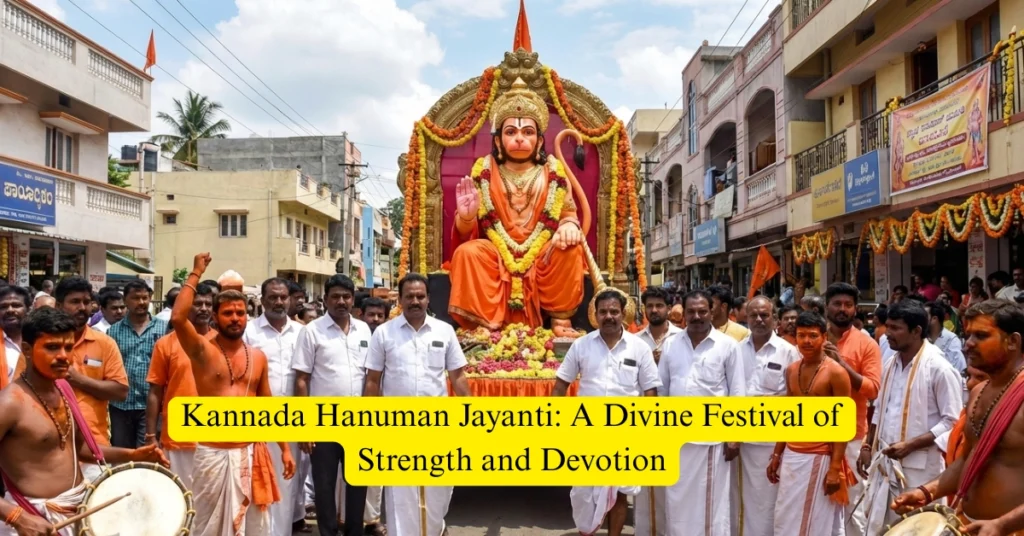
Kannada Hanuman Jayanti is a day that fills Karnataka with devotion, celebration, and a quiet sense of spiritual strength. Across homes and temples, people wake up with a renewed feeling of faith as they honour the birth of Lord Hanuman according to the Kannada calendar. This sacred festival is not just a ritual; it is an emotional reminder of courage, loyalty, and the divine power that guides people through life’s challenges. Devotees come together to celebrate Hanuman’s presence in their lives—with prayers, offerings, and heartfelt gratitude.
Origins of Kannada Hanuman Jayanti
Kannada Hanuman Jayanti has its roots in ancient scriptures and Karnataka’s deep connection with the Ramayana.
According to local legends, Karnataka is home to Kishkindha, the divine kingdom of the Vanaras. The region around Hampi and Anjanadri Hill is believed to be the birthplace of Lord Hanuman. Because of this strong historical and cultural connection, Karnataka developed its own traditional celebration of Hanuman Jayanti.
While many Indian states celebrate Hanuman Jayanti during Chaitra Purnima, Karnataka observes it on Margashirsha Shukla Trayodashi, giving it a distinct and revered identity known as Kannada Hanuman Jayanti.
Significance of Kannada Hanuman Jayanti
The festival represents devotion, humility, and courage—qualities that define Lord Hanuman. Devotees believe that worshipping him on this day brings inner strength, removes fears, and protects families from negative energies.
Today’s celebration inspires people to embrace discipline, service, and unwavering faith.
Early Morning Pooja and Temple Darshan
People wake up early, take a holy bath, and visit Hanuman temples. Temples such as Yantrodharaka Hanuman Temple (Hampi), Gavi Gangadhareshwara Temple (Bengaluru), Kote Anjaneya Temple (Mysuru), and Nandini Layout Anjaneya Temple witness thousands of devotees.
Priests perform:
-
Panchamrita Abhisheka
-
Oil Abhisheka (especially with castor oil)
-
Sindoor Alankara, as Hanuman is traditionally covered in bright orange sindoor
-
Vada Mala (garlands made from vadas offered to the deity)
-
Recitation of Kannada Devotional Texts – Priests recite texts from Hanuman Chalisa, Sundara Kanda Parayana, Vayu Stuti, Hanuman Ashtottara. Many families invite priests home for special recitations.
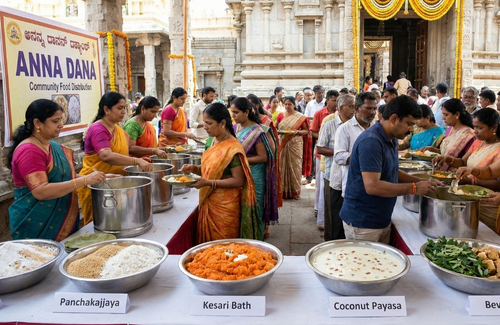
- Anna Dana and Community Seva are organised by many temples. Prasadam is distributed to people at large. The prasadam consists of Panchakajjaya, Kesari Bath, Coconut Payasa, Bevu Bella.
Why Karnataka Holds Hanuman Jayanti Special
With its deep mythological connection to Hanuman’s early life, Karnataka treats this festival with exceptional reverence.
People believe that Hanuman’s divine presence blesses the land with strength, protection, and spiritual growth.
Today, thousands gather in temples, chant mantras, and celebrate with a sense of unity and devotion.
Also Read: When Love Hurts: Understanding Karmic Relationship and Soul Contracts
Spiritual Lessons from Kannada Hanuman Jayanti
Kannada Hanuman Jayanti inspires people to:
-
Stay disciplined
-
Act with courage
-
Serve others selflessly
-
Maintain devotion without ego
-
Face challenges without fear
Hanuman’s qualities remind devotees to remain humble yet powerful.
On this sacred day of Kannada Hanuman Jayanti, Karnataka celebrates devotion, spirituality, and cultural pride. From ancient temples to household poojas, the entire state vibrates with prayers, chants, and gratitude. Lord Hanuman’s blessings guide people towards strength, clarity, and positivity. As today’s celebrations continue, the message of devotion and courage remains timeless and deeply inspiring.