


High Heat Index, Thermal Temperature, and Nutritional Management During Heat Waves Are Totally Interrelated.
With the rising intensity of global warming and climate change, heat waves are becoming increasingly dangerous across many regions of India, especially in metropolitan cities like Kolkata. In recent summers, people have been experiencing not only high environmental temperatures but also an alarming increase in the Heat Index — or “Real Feel” temperature — which significantly impacts human health.
A temperature of 38°C combined with excessive humidity may feel like 45°C or more to the human body. This condition is known as a High Heat Index, where the body’s cooling mechanism becomes inefficient, increasing the risk of dehydration, heat exhaustion, and heat stroke. From a clinical nutrition and healthcare perspective, this is no longer just a seasonal discomfort — it is a major public health concern.
Why does the human body suffers during the heat?
The human body normally maintains its internal temperature at around 37°C through sweating and heat dissipation. However, during severe heat exposure — especially in humid conditions — sweat evaporation decreases. As a result, body heat becomes trapped, leading to thermal stress and metabolic imbalance. Prolonged exposure to such conditions can severely affect the cardiovascular, renal, neurological, and gastrointestinal systems.
One of the earliest manifestations of extreme heat exposure is heat exhaustion, characterized by excessive sweating, dizziness, weakness, headache, nausea, muscle cramps, and fatigue. If immediate cooling and hydration measures are not taken, the condition may progress to heat stroke — a life-threatening medical emergency in which body temperature rises uncontrollably. Heat stroke may cause confusion, loss of consciousness, breathing difficulty, organ damage, and even death if not treated promptly.
Another major concern during heat waves is dehydration and electrolyte imbalance. Continuous sweating results in the excessive loss of water along with essential minerals such as sodium, potassium, and magnesium. This imbalance can lead to severe weakness, muscle cramps, low blood pressure, irregular heartbeat, and kidney stress. Elderly individuals, children, pregnant women, critically ill patients, and outdoor workers are particularly vulnerable during periods of extreme heat.
From a clinical dietitian’s perspective, nutrition and hydration play a crucial role in preventing heat-related illnesses. During summer and high heat index conditions, hydration should be considered the first line of defense. Adults should ideally consume 3–4 litres of fluids daily, while individuals exposed to outdoor heat may require even more, depending on sweat loss and physical activity.
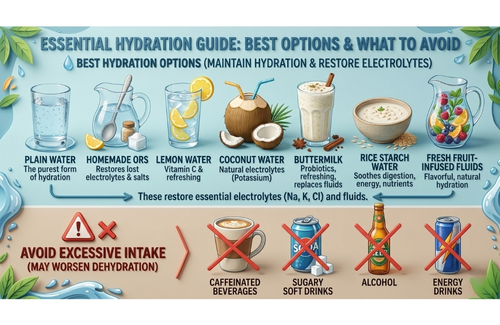
What to do and not to do?
The best hydration options include plain water, homemade oral rehydration solutions (ORS), lemon water, coconut water, buttermilk, rice starch water, and fresh fruit-infused fluids. These not only maintain hydration but also help restore lost electrolytes. Avoid excessive intake of caffeinated beverages, sugary soft drinks, and alcohol should be avoided, as they may worsen dehydration.
Dietary modifications are equally important during periods of severe heat exposure. Prefer light, easily digestible, and water-rich meals over heavy, oily, and spicy foods. Seasonal fruits such as watermelon, muskmelon, cucumber, oranges, and papaya help provide hydration, antioxidants, and essential micronutrients. Foods like curd, yogurt, tender coconut water, and vegetable soups also help maintain electrolyte balance and improve gut health.
You should minimize heavy fried foods, processed snacks, excess red meat, and overly spicy meals because they increase metabolic heat production and digestive stress. Additionally, food hygiene becomes extremely important during heat waves, as high temperatures promote bacterial growth and increase the risk of foodborne infections such as diarrhoea, gastroenteritis, and typhoid.
Also Read: Kolkata Heat Wave 2026: Why 38°C Feels Like 51°C
Elderly individuals often have a reduced sensation of thirst and may unknowingly become dehydrated. Children lose fluids rapidly due to higher metabolic activity, while pregnant women require adequate hydration and balanced nutrition to support both maternal and fetal health. Patients with cardiac or kidney disorders should follow medically supervised fluid and electrolyte recommendations.
In conclusion, the rising Heat Index and thermal temperatures pose serious health threats that require immediate awareness and preventive action. Proper hydration, balanced nutrition, electrolyte management, and healthy lifestyle practices can significantly reduce the risk of heat-related illnesses. As healthcare professionals and clinical dietitians, we must prioritise awareness regarding summer nutrition and thermal safety — both of which are essential for protecting public health during this extreme climatic situation.