

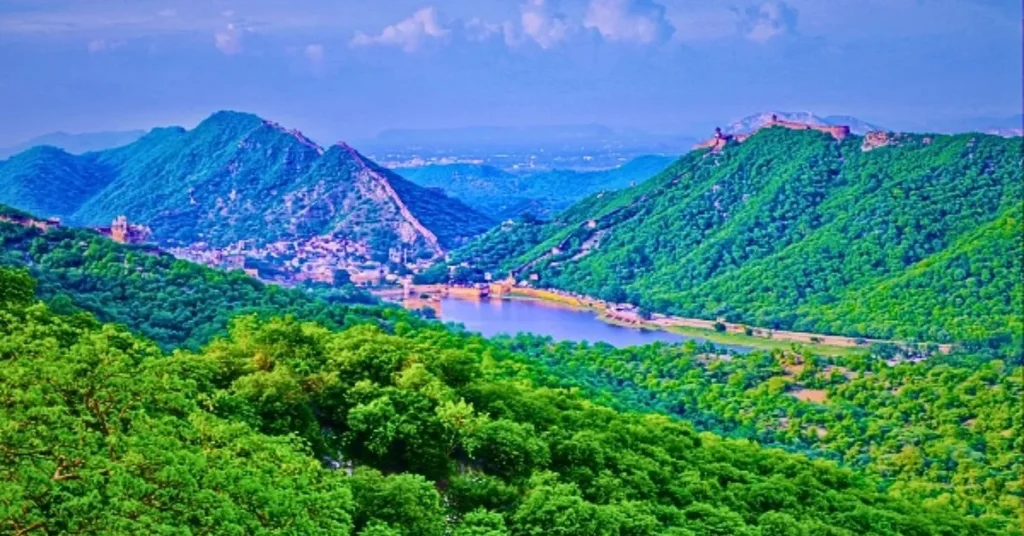
The Aravalli Hills form one of Earth’s oldest mountain systems. They regulate climate, groundwater, and biodiversity across western India. Moreover, they block desertification from the Thar Desert. Without them, heatwaves intensify and rainfall patterns collapse.
A Shield Against Desertification and Heat
First, the Aravallis slow desert winds and trap moisture. Then, forests cool cities through evapotranspiration. Consequently, Delhi-NCR benefits from reduced heat extremes. However, relentless destruction weakens this natural shield.
Groundwater Recharge Depends on the Aravallis
Importantly, fractured rocks store and release groundwater. Therefore, millions rely on Aravalli-fed aquifers. Yet, illegal mining punctures these recharge zones. As a result, wells dry faster every summer.
Illegal Mining Is an Environmental Crime
Shockingly, mining scars hills despite repeated bans. Meanwhile, trucks operate at night to evade enforcement. Consequently, forests vanish and wildlife corridors break. Worse still, toxic dust poisons nearby communities.
Urban Expansion Is Eating the Hills Alive
Real estate sprawls into protected zones relentlessly. Additionally, roads fragment habitats beyond recovery. Therefore, native species lose breeding grounds. Ultimately, ecological collapse becomes inevitable.
Biodiversity Loss Is Accelerating
The Aravallis host leopards, jackals, and rare birds. Likewise, medicinal plants thrive in these forests. However, habitat loss pushes species toward extinction. Thus, ecological balance unravels species toward extinction. Thus, ecological balance unravels quickly.
Air Quality Suffers When Hills Fall
Forests trap dust and absorb pollutants effectively. Hence, the Aravalli act as a green lung. But deforestation releases particulate matter unchecked. Consequently, respiratory illnesses rise sharply.
Climate Resilience Starts With Protection
Healthy hills moderate temperatures and rainfall cycles. Therefore, conservation strengthens climate resilience. In contrast, destruction amplifies floods and droughts. Clearly, protection offers the smarter path.
Laws Exist, Enforcement Fails
Courts have issued strong protections repeatedly. Nevertheless, loopholes enable continued violations. Therefore, strict monitoring must follow rulings. Additionally, penalties should deter repeat offenders.
Community Stewardship Is Essential
Local communities know the land intimately. Hence, empowering them ensures vigilant protection. Moreover, livelihoods can align with conservation. Eco-tourism and restoration create sustainable incomes.
Restoration Can Still Reverse Damage
Native species restoration heals degraded slopes. Similarly, check dams revive groundwater flows. Consequently, ecosystems recover over time. But action must begin immediately.
Policy Must Prioritize Ecology Over Profit
Short-term profits cannot outweigh long-term survival.Therefore, planning must respect ecological limits. Furthermore, cumulative impact assessments should guide approvals. Transparency and accountability must become non-negotiable.
Also Read: Earth Day Special: Impact of plastic pollution on the environment
Citizens Must Demand Accountability
Public pressure influences policy outcomes. Thus, citizens should report violations actively. Additionally, supporting conservation groups amplifies impact. Every voice strengthens the movement.
The Cost of Inaction Is Irreversible
Once destroyed, ancient hills never return. Moreover, water crises will deepen irreversibly. Consequently, cities face unlivable futures. Prevention remains the only viable solution.
A Final Call to Save the Aravalli Hills
Protecting the Aravalli hill protects India’s future. Therefore, act now with urgency and resolve. Together, conservation can still prevail.
The time to save the Aravalli Hills is now.